
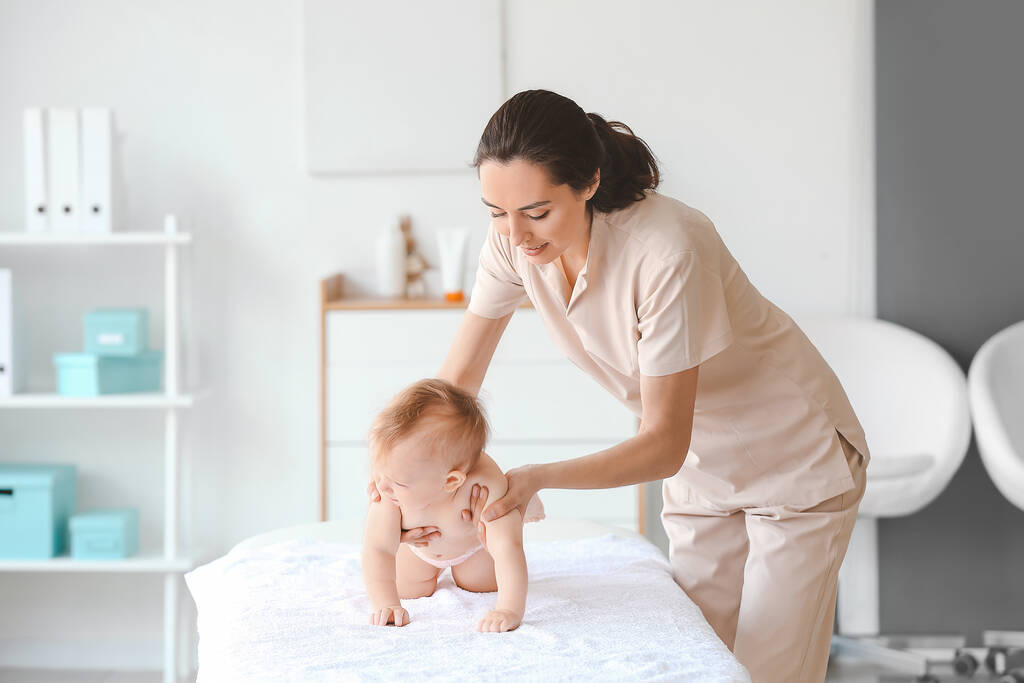
Parents often hear about pediatric osteopathy through word of mouth, antenatal groups, or social media. This usually happens when a baby appears tense, unsettled, or uncomfortable in certain positions.
If you are wondering whether a session might be suitable for your child, this guide explains what an osteopathic assessment involves, what the evidence supports, and the exact questions to ask both your primary healthcare team and your osteopath before booking.
Please note: This page offers general information only and is not a substitute for individual medical advice. If you have any doubts about your baby’s health, a medical assessment should always come first.
If anything about your baby’s health worries you, speak with your GP, midwife, or health visitor. This includes crying that worries you, poor feeding, a high temperature, fewer wet nappies than usual, or any change that feels wrong to you. Contact NHS 111 or emergency services where needed.
Common Reasons Parents Consider a Baby Osteopath
Not every baby needs to see an osteopath. However, families often seek an assessment for professional guidance on posture, movement, handling, and day-to-day physical comfort.
An unsettled or tense-seeming baby
Some families consider baby osteopathy when their baby seems tense, stiff, fussy, hard to settle, or uncomfortable during daily care.
This does not mean osteopathy is a proven treatment for unsettled behaviour. It means parents may want a professional view on posture, movement, handling, and positioning. They may also want to know whether an osteopathic assessment is suitable.
A baby osteopath can take a case history and observe how your baby moves and rests. They can assess whether gentle osteopathic care is appropriate. They should also explain what osteopathy can and cannot claim to do.
Some parents feel overwhelmed. They may want calm, hands-on guidance around holding, positioning, soothing, and daily comfort. This support should sit alongside medical care. It should not replace it.
Concerns after a difficult birth
Some families ask why see a baby osteopath after a birth that felt very fast, very long, assisted, or more difficult than expected. This may include forceps, ventouse, or caesarean birth.
Parents may wonder if their baby’s comfort, posture, head movement, or response to handling relates to the birth experience. An osteopathic assessment may look at the whole baby. This may include posture, movement, comfort, and response to gentle handling.
Some parents may ask about osteopathic treatment for C-section babies or cranial osteopathy for babies after forceps. These are parent questions. There are no claims that osteopathy treats the effects of birth. They also do not mean that any result can be promised.
At Arc Osteopathy, baby assessments are based on careful listening and whole-baby assessment. We use gentle handling where appropriate. We also signpost to other care when needed. Parents should continue routine checks and follow advice from their GP, midwife, or health visitor.
Worries about head shape or preferred head-turning side
Some parents seek advice when they notice a flat patch or a noticeably flat area. Others notice that their baby often turns their head one way.
These points can be discussed during an appointment, but they must be handled with care. Osteopaths should not claim to treat flat head syndrome. They should not promise changes in head shape, movement, or development.
A baby osteopathy assessment may include observing posture, head movement, overall movement, and how your baby responds to gentle positioning. Where suitable, the osteopath may give general advice on holding and positioning. They may also suggest when to speak with another healthcare professional.
What About Colic, Reflux and Digestive Discomfort?
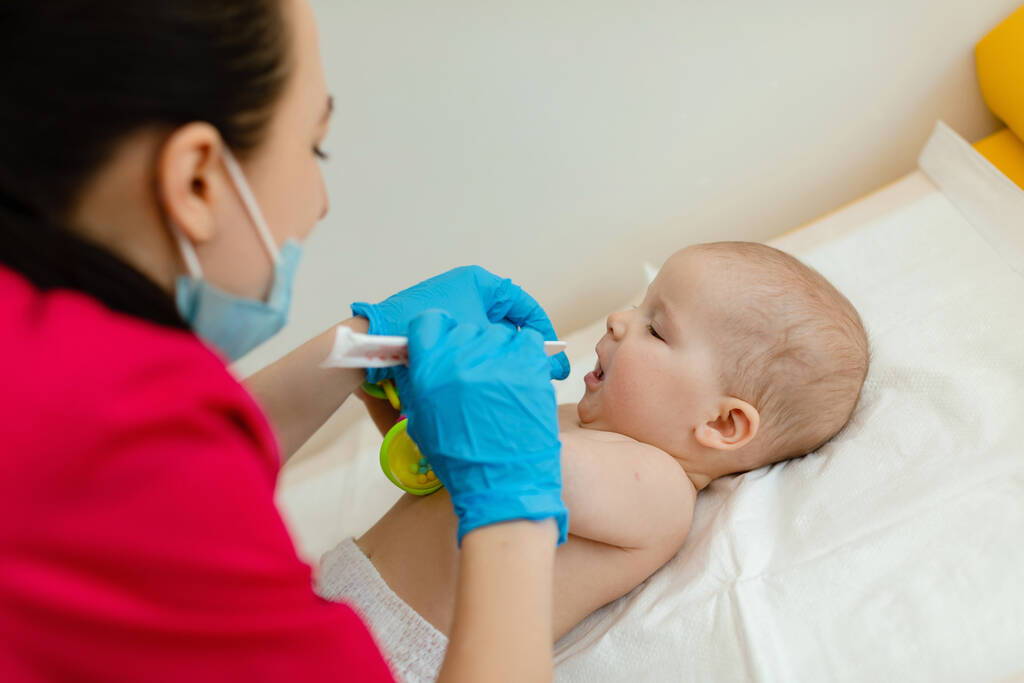
Why do parents ask about osteopathy for colic and reflux?
Many parents hear personal stories about cranial osteopathy, colic, reflux, wind, or digestive discomfort. It is easy to understand why tired and worried families ask about these things.
Parents may ask questions such as: Can osteopathy help with my baby’s reflux? Can cranial osteopathy help with babies with wind, or should I see an osteopath for babies with colic or reflux? These are questions families may bring to a clinic. We do not claim that osteopathy treats these concerns.
A responsible osteopath should listen, explain their role, and avoid promises. Baby osteopathy should be described as assessment, gentle handling, parent communication, general comfort support where suitable, and care that works alongside medical advice.
Current evidence on treatment claims
To keep expectations transparent and safe, parents should be aware of what current clinical evidence and advertising standards state:
- Limited Research Base: Current clinical research regarding manual therapy for infant colic and digestive concerns is limited. Robust medical trials have not demonstrated that osteopathy can treat or improve these specific medical conditions.
- No Treatment Claims: Because the evidence is inconclusive, Arc Osteopathy does not claim that baby osteopathy treats, cures, or resolves colic, reflux, or wind.
If your baby is struggling with feeds, repeatedly vomiting, failing to gain weight, or experiencing ongoing digestive distress, your primary care team must evaluate them first to rule out underlying medical causes.
Screening Checklist: When to Seek Medical Care First
Before arranging any hands-on appointment, consult your GP, midwife, or health visitor if your baby has ongoing or worsening symptoms.
Key questions to ask your GP or Health Visitor:
- Does my baby require a primary medical assessment first?
- Are there any medical reasons why my baby should not receive gentle hands-on handling right now?
- Are there specific symptoms we should monitor closely before considering complementary care?
Red Flag Symptoms:
Seek immediate or urgent medical help via your GP, NHS 111, or 999 if your baby exhibits any of the following:
- Difficulty breathing or unusual respiratory sounds
- Blue, pale, blotchy, or grey-looking skin
- A high temperature/fever (especially in infants under 3 months)
- Extreme drowsiness, lethargy, or difficulty waking
- A weak, continuous, or completely unusual cry
- Green vomit, or blood in their vomit or stool
- Significantly fewer wet nappies than usual
- A rash that does not fade when firmly pressed with a glass
Screening Your Osteopath: Questions to Ask Before Booking
A responsible pediatric osteopath will always welcome open communication. Before booking an initial consultation, consider asking the practitioner these key questions:
- “What specific post-graduate training and experience do you have in working with newborns and infants?”
- “How exactly do you adapt your handling and techniques for a very young baby?”
- “What will you do if you notice something during the assessment that concerns you clinically?”
- “How do you coordinate or share information with GPs, health visitors, or lactation consultants?”
Red Flag Warning: Be highly cautious of any practitioner who guarantees clinical results, promises a quick fix, or suggests that osteopathy can replace standard NHS medical care.
Deciding Whether a Baby Osteopathy Assessment Is Right for You
Balancing expectations, safety and support
As presented, before deciding whether I should take my baby to an osteopath, it helps to think about three things. First, your baby’s current medical care. Second, your concerns as a parent. Third, whether gentle support feels appropriate alongside advice from your GP, midwife, or health visitor.
A baby osteopathy appointment may give you time to talk through your concerns. The osteopath may observe how your baby moves and rests. They may use gentle handling where suitable. The appointment should not be seen as a fix for a medical concern.
If your main question is Does my baby need an osteopath, the honest answer is that not every baby needs one. Some families choose an assessment for support, reassurance, and general guidance around comfort and positioning. Others may need medical review first. Some may need support from another healthcare professional.
When a baby should see an osteopath depends on the baby’s current health and the medical advice you have already received. It also depends on whether any warning signs need urgent review first. A baby may be considered for an osteopathic assessment when parents want gentle support alongside medical care.
How we approach assessments at Arc Osteopathy in Croydon
At Arc Osteopathy in Croydon, baby appointments are calm, gentle, and clearly explained. We listen to parents, take a careful history, observe the baby, and adapt any hands-on work to the baby’s age, comfort, and tolerance.
We use whole-baby assessment, gentle handling, and advice on holding and positioning where suitable. We also signpost to other professionals when needed. This may include a GP, a midwife, a health visitor, a lactation consultant, or another suitable healthcare professional.
We do not claim that osteopathy treats, cures, prevents, or resolves baby-specific medical conditions. We also do not present baby osteopathy as an alternative to NHS or medical care.
If a medical professional would be better suited to assess your baby, we will let you know. We will guide you towards the right support, such as your GP, midwife, health visitor, or another healthcare provider. With your consent, we may also share relevant information with another professional involved in your baby’s care.
This is multi-disciplinary care. It is not a stand-alone treatment.
Short FAQ for Parents
Can osteopathy help with my baby’s reflux?
Parents often ask this after hearing personal stories from other families. Arc Osteopathy does not claim that osteopathy treats reflux or any other baby-specific medical condition. If your baby is repeatedly sick, struggling with feeds, not gaining weight as expected, very unsettled, or showing anything that concerns you, contact your GP or health visitor before booking.
Can cranial osteopathy help babies with wind?
Some parents ask about cranial osteopathy for babies with wind after reading about it online or hearing personal stories. These are parent questions, not treatment claims. Current research on osteopathy for babies and children is limited. It has not been demonstrated that osteopathy can treat or improve specific medical conditions in babies.
During an appointment, the osteopath may assess your baby, use gentle contact where suitable, and give general guidance on comfort and positioning. Any health concerns should still be raised with your GP or health visitor.
Should I see a baby osteopath after a forceps, ventouse, or caesarean birth?
Some families consider an osteopathic opinion after an assisted or caesarean birth. They may want advice about comfort, posture, movement, or handling. This should not be presented as treatment for the effects of birth. A baby osteopath can assess the whole baby, use gentle handling where suitable, and advise when medical input is needed.
Can a baby osteopath help if my baby always turns one way?
Parents sometimes ask this when they notice a preferred head-turning side or a flat patch. This is a parent question, not a claim that osteopathy treats concerns about head shape. Osteopaths should not claim to treat flat head syndrome or promise changes in head shape. An appointment may include assessment, general positioning advice, and signposting to a GP or health visitor where needed
Does my baby need an osteopath?
Not every baby needs an osteopath. Some families choose an assessment because they want support, reassurance, and advice alongside medical care. If your baby has symptoms that concern you, seek medical advice first.
Ready to Talk? Next Steps for Croydon Parents
Book a call or appointment.
If you are considering a baby osteopath in Croydon, the next step is to understand the service, ask questions, and decide whether an assessment is suitable for your baby.
You can read more about the local service here: Osteopathy for Babies in Croydon.
If you are ready to arrange a visit, you can book here: https://www.arcosteopathy.co.uk/appointment/
Other useful resources
For safety, regulation, evidence limits, and risk questions, read our related guide: Is Osteopathy Safe for Babies?
For a step-by-step explanation of what happens before, during, and after an appointment, read: What Does a Baby Osteopath Do?