
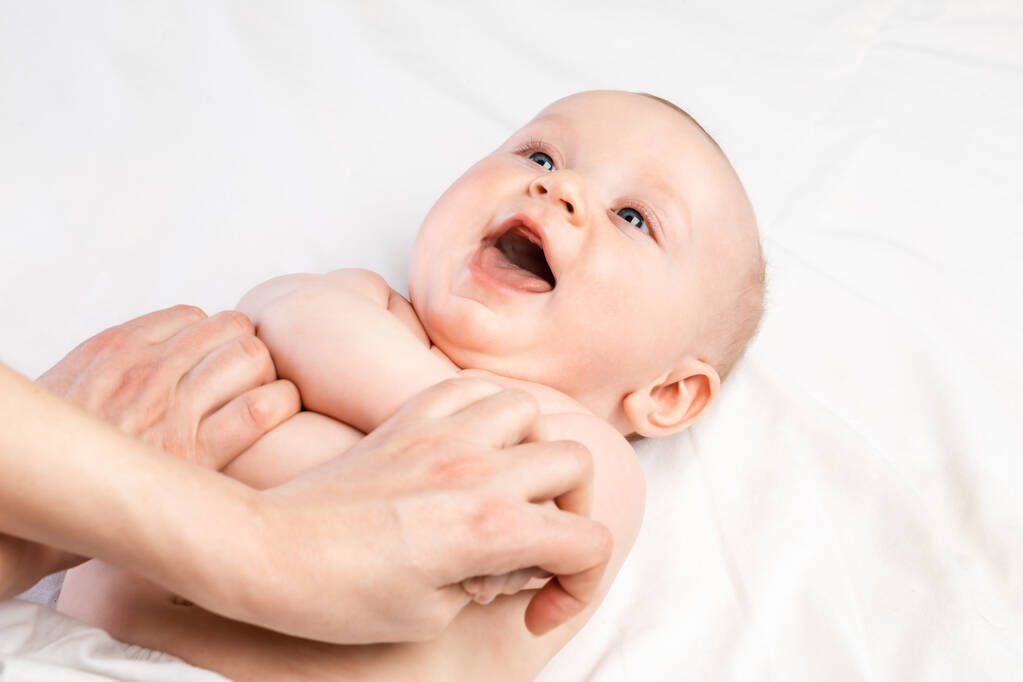
Taking your baby to see an osteopath can feel like an entirely new experience. It is natural to have questions about what happens during a session, how gentle the handling will be, and how involved you can remain throughout the visit.
This guide walks you through each stage of a baby osteopathy appointment in our Croydon clinic—from the initial history-taking and gentle assessment to hands-on care and what to expect afterwards.
Please note: This article offers general information only and is not a substitute for individual medical advice. If there is any doubt about your baby’s health, a medical assessment by a primary healthcare professional should always take priority.
What Is a Baby Osteopath?
How baby osteopathy fits within osteopathic practice
In the UK, osteopathy is a recognised healthcare field with formal professional regulation. Osteopaths use clinical knowledge and hands-on assessment to look at the body’s structure, movement, and function.
Some osteopaths have further postgraduate training and experience in working with babies and children. This may include paediatric courses, supervised clinical work, or ongoing professional learning focused on safe handling, infant development, and parent communication.
What is a baby osteopath? In simple terms, it is an osteopath who has experience working with babies and adapts the visit to suit a baby’s age, needs, and tolerance.
What is baby osteopathy? It is an age-appropriate osteopathic appointment that focuses on careful assessment, gentle handling, parent communication, and whether osteopathic care is suitable.
For parents whose priority is safety, our related guide may help: Is Osteopathy Safe for Babies?
How baby appointments differ from adult sessions
A pediatric appointment is very different from an adult session. While adults are asked to move or lie in specific positions, a baby’s visit is much slower, softer, and entirely guided by what they can manage comfortably.
Your baby can stay in your arms, rest on your lap, or lie on the treatment couch with you right beside them. The practitioner will gladly pause the session at any time for feeding, cuddling, changing, or settling. You are in complete control: you can ask questions at any stage, and if something does not feel right to you, the visit can be paused or stopped immediately.
Before Your Appointment: Preparing You and Your Baby
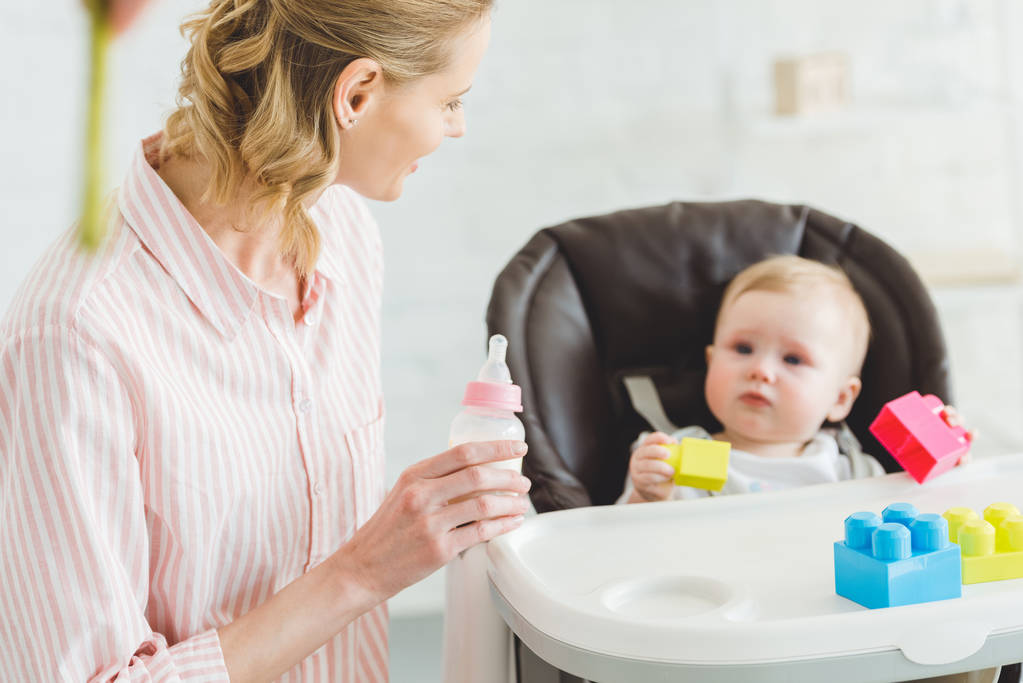
What we ask about in your baby’s history
Before any hands-on assessment begins, the osteopath will sit down with you to take a detailed case history. This helps build a clear, comprehensive understanding of your baby’s general health, daily routine, and any medical care already in place.
Questions may cover:
- Pregnancy and birth history: Whether labour was fast, prolonged, assisted, or by cesarean section.
- General development: Your baby’s current milestones and daily comfort.
- Daily routines: Feeding patterns, sleep habits, and how they settle day-to-day.
- Prior medical advice: Any checks, diagnoses, or advice already given by your GP, midwife, or health visitor, as well as any medications or hospital visits.
- Parental Observations and concerns: A chance for parents to share, feel heard and seen and be supported.
Gathering this information does not mean the osteopath is diagnosing medical conditions. Instead, it helps ensure that an osteopathic assessment is entirely safe and suitable for your baby, enabling them to screen for medical conditions and to refer back to your GP or primary care team if necessary.
For parents still deciding whether this type of visit may suit their baby’s needs, our related guide, Is This Appropriate for My Baby’s Situation? may help with the next step.
Practical tips for your visit
An infant appointment is designed to work around the baby’s normal needs. To keep your visit stress-free, you may want to bring along:
- Nappies and wipes
- A spare outfit
- Milk (if bottle-feeding)
- A dummy or comfort item
- A favourite blanket
- Any medical letters and Red Book notes you think may help
We recommend dressing your baby in easy, removable layers so they can stay comfortable throughout the session.
You can feed, cuddle, or change your baby during the visit. If your baby needs a break, that is fine.
During the Appointment: Step by Step
Gentle examination and observation
After we have taken a consultation, the next step is to observe and examine. A baby osteopathy appointment typically begins with an observation. The osteopath may look at how your baby rests, turns their head, moves their arms and legs, and responds to being held or gently positioned.
The osteopath may observe posture, movement, and general comfort. They should explain what they are doing as they go.
If your baby becomes upset, the osteopath can pause. The session should be led by what your baby tolerates well, rather than by a fixed routine.
So, what do baby osteopaths do during this part of the visit? They listen, observe, handle gently, and explain each step to the parent.
Gentle, comfort-focused hands-on techniques
If hands-on care is suitable, the osteopath may use light, careful techniques. These may include contact around areas such as the head, abdomen, thorax, spine, pelvis, or limbs, depending on the assessment and your baby’s response.
To understand how baby osteopathy works in practice, it helps to look at the appointment itself: the osteopath’s assessment, your baby’s comfort, and whether osteopathic care is suitable. The same applies when explaining how osteopathy works in babies, as the session should be shaped around the baby’s age, needs, and tolerance.
We will not use forceful thrusts or heavy pressure, and techniques used are kept light and gentle. Techniques should be adapted to your baby’s age and tolerance.
The session should not feel intense or rushed. A responsible osteopath should explain the technique before using it and should stop or adapt if your baby is not settled.
Some osteopaths may use cranial or other gentle techniques. These are often described as light, careful contact. They should not be presented as a promised answer for medical concerns.
Current research on osteopathy for babies and children is limited. It has not been demonstrated that osteopathy can treat or improve specific medical conditions in babies. This is why responsible osteopaths must avoid making treatment claims that go beyond accepted evidence.
The visit can be described in terms of assessment, gentle handling, parent communication, and comfort, where suitable. It should not be presented as a cure, treatment, or alternative to medical care.
How do we keep the baby and parents involved?
Parents stay involved throughout the visit. You can hold your baby, talk to them, feed them, or cuddle them as needed.
The osteopath should explain what they are doing, check that you are comfortable, and answer questions in plain language.
If your baby needs time, the session can slow down. If you want to pause, that is fine. If you want the visit to stop, it should stop.
A good baby appointment is not about pushing through. It is about careful assessment, light contact, and keeping both the baby and the parent comfortable throughout the process.
After the Appointment: What to Expect
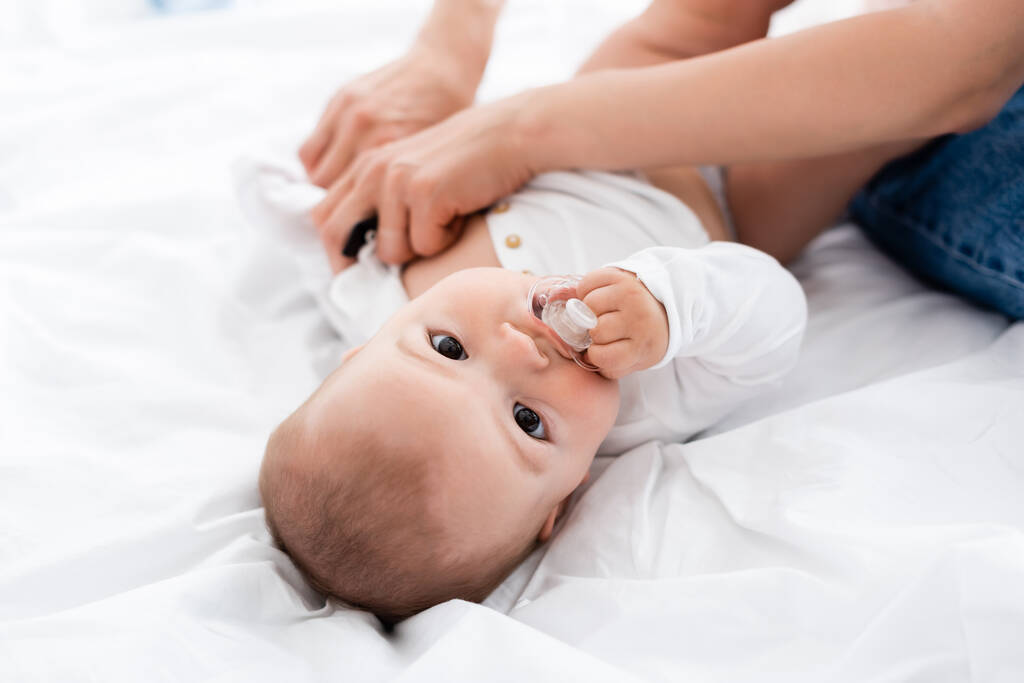
How babies sometimes respond to a new experience
Every baby responds differently to a new environment and physical handling, following an appointment.
Some babies may seem sleepy. Some may seem more alert. Some may be slightly unsettled or fussy for a short time. Some may show no clear change at all.
This does not mean one response is right and another is wrong. Babies respond to handling, travel, changes in feeding, and new settings in different ways.
All of these are normal responses to a change in routine, travel, and physical assessment. An osteopathic session is not a “quick fix.” Your osteopath may suggest a review or advise that no further visits are needed. This should be based on your baby’s response, your questions, and whether ongoing osteopathic care is suitable.
When to contact your osteopath or your GP
If you have any questions or are unsure about your baby’s response after leaving the clinic, you can always call us for guidance.
However, please remember that osteopathy is not a replacement for regular medical care. If your baby seems genuinely unwell, develops a fever, or your parental instincts tell you something is wrong, you should seek immediate medical advice. Contact your GP, midwife, or health visitor. If you are deeply concerned, call NHS 111, visit an urgent treatment centre, or call 999 in an emergency.
Working Alongside Your GP, Midwife and Health Visitor
Osteopathy as part of a wider support team
Baby osteopathy is designed to sit alongside conventional paediatric healthcare, not replace it. It is essential for your baby’s long-term health that you maintain all routine checks, medical reviews, immunisations, and developmental screenings with your NHS support team.
If we feel your baby needs medical review
If the osteopath notices anything during the history or physical assessment that raises a clinical concern, they will immediately advise you to seek a medical review with your GP or health visitor. With your explicit consent, we can also share relevant assessment notes directly with your doctor to ensure clear, cohesive communication across your child’s care network. If osteopathy is not appropriate for your baby, we will clearly explain why and help guide you toward the right medical next step
Considering a Baby Osteopathy Appointment in Croydon?
How Arc Osteopathy supports local families
Arc Osteopathy’s Croydon clinic provides a calm, unhurried space for local families. We prioritise your baby’s comfort, gentle handling, and absolute transparency with parents.
To learn more about our local pediatric services or to explore our practice, visit our main page for Osteopathy for Babies in Croydon
If you feel ready to arrange your baby’s first visit, you can securely Book an Appointment Online here.
Related Guides for Parents:
- To help decide if an appointment aligns with your current situation, read: Is This Appropriate for My Baby’s Situation?
- For detailed information regarding clinical safety, regulation, and risks, read: Is Osteopathy Safe for Babies?