
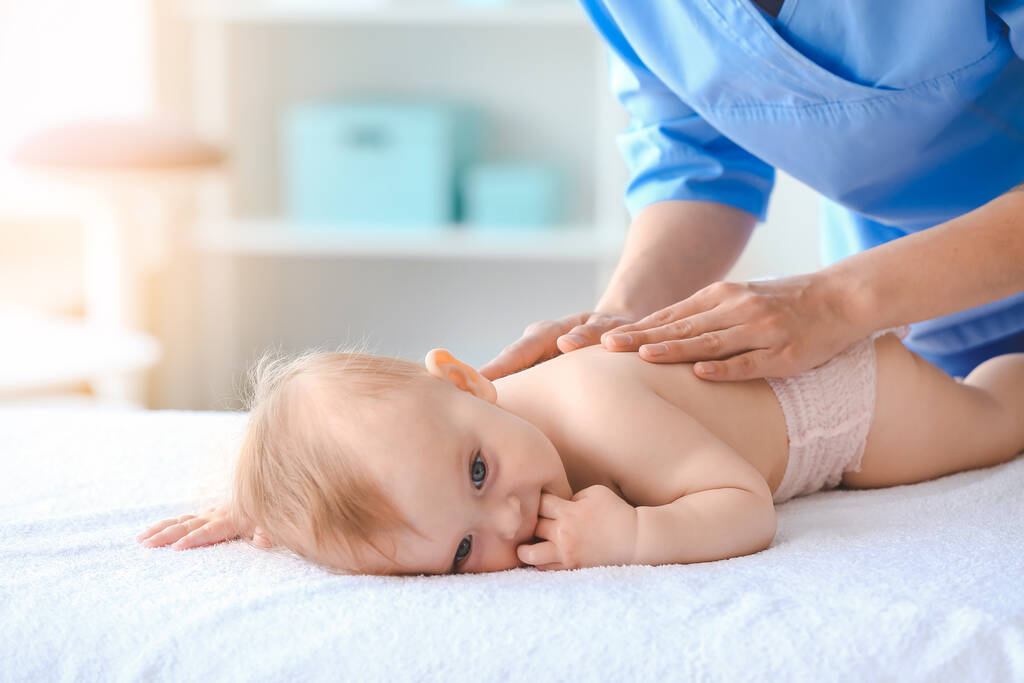
Taking a very small baby to see a hands-on practitioner is a significant decision. It is completely natural to feel cautious; babies are delicate, and you want to ensure that any session involving touch and assessment is calm, gentle, and age-appropriate.
This guide outlines how osteopathy for babies is regulated, what “gentle” means in practice, what the current evidence says, and when a medical assessment should take priority.
Please note: This article is for general information and is not a substitute for individual medical advice. If you have any concerns about your baby’s health, a medical assessment with your GP, midwife, or health visitor should always be your first priority.
How Osteopaths Are Trained and Regulated in the UK
Who regulates osteopaths and why that matters
In the UK, the title “osteopath” is legally protected. Only practitioners registered with the General Osteopathic Council (GOsC) can use this title. Registration ensures that the osteopath has completed recognised training, meets strict professional standards, has suitable liability insurance, and keeps their knowledge up to date.
We are also governed by advertising rules set by the ASA and CAP guidelines. These regulations ensure that all advertising, including healthcare claims, remains fair and grounded in evidence. For you, this means a responsible practitioner will be transparent about their training and experience, and will clearly distinguish between the general assessment of comfort and the treatment of diagnosed medical conditions.
What Makes Baby Osteopathy ‘Gentle’?
What we mean by “cranial” and “light touch”
When people ask, “Is cranial osteopathy safe for babies?”, they are often trying to understand how light or gentle the appointment will be.
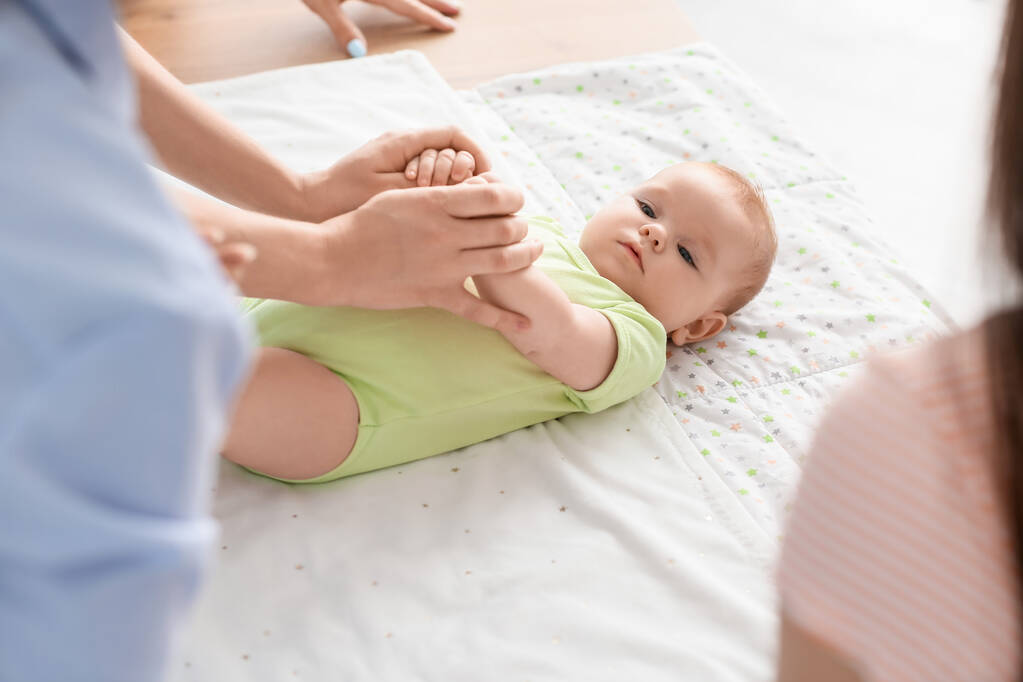
In baby osteopathy, gentle techniques may involve light touch, gently and smoothly moving limbs, resting hands, and careful contact guided by the baby’s comfort. Babies may remain dressed during the appointment, and the osteopath should adapt their approach to the baby’s age, tolerance, and response.
This is not the same as forceful manipulation. A baby appointment should never feel rushed, heavy-handed, or distressing. The aim is to assess and work gently, with the parent involved and informed throughout.
Parents should feel able to ask:
- What are you doing?
- Why are you using that technique?
- Can we pause?
- Can I hold my baby during this part?
- What should I expect after the appointment?
If the answer is unclear, you may slow things down. Consent is not a one-time form. It should be an ongoing conversation during the appointment.
What a baby session looks like in practice
A baby osteopathy appointment should be calm and baby-led. Your baby may stay close to you, be held by you, or lie comfortably while the osteopath carries out an assessment.
There should be time for feeding, changing, cuddling, or settling if needed. If your baby becomes upset, the osteopath can pause or adjust the appointment. Some babies are alert throughout, some sleep, and some need regular breaks. This is normal.
The osteopath will ask about pregnancy, birth, your baby’s general health, daily care, and any medical care already in place. They will also cover your observations, feelings and any concerns you may have. These questions help the osteopath understand the wider context and decide whether osteopathy is suitable or whether medical advice should come first.
For babies, our focus is on assessment and general support for positioning and handling, not on treating diagnosed medical conditions.
For a fuller walk-through of the appointment process, read our related guide: What Does a Baby Osteopath Do?
A gentle handling baby osteopath should explain each stage clearly and avoid pressuring you to continue if you are unsure.
What Does the Evidence Say About Osteopathy and Babies?
It is important to be honest about evidence. Osteopathy has a stronger evidence base in areas of musculoskeletal care, especially in adults. The evidence for osteopathy in babies is limited and mixed.
In practical terms, an osteopath can explain their training, assessment process, and gentle handling approach. They may offer gentle assessment, application of gentle techniques, and general support around handling and positioning to promote day-to-day comfort, where appropriate. Osteopathy is not a treatment for specific medical conditions.
Osteopaths should not promise that osteopathy will treat, cure, prevent, or resolve a baby’s medical condition.
Any perceived benefits can vary between and should not be presented as guaranteed results.
Why do we not claim to treat baby-specific conditions?
ASA guidance is clear that osteopaths must be careful when making claims about babies and children. Claims about treating baby-specific medical conditions should not be made unless there is accepted evidence to support them.
At Arc Osteopathy, we do not present osteopathic care as a way to cure, treat, prevent, or resolve medical conditions specific to babies.
Some parents choose to speak with an osteopath to understand gentle handling, positioning, posture, and movement, as well as whether an osteopathic assessment may be suitable. This is not a substitute for medical assessment or treatment.
If your baby has symptoms that worry you, your first step should be to speak to your GP, midwife, or health visitor. Osteopathy can sit alongside broader care when a health professional has confirmed it is appropriate, but it should not replace medical advice.
Side Effects, Risks and When to See Your GP First
Common reactions after a gentle baby session
It is perfectly normal for parents to have concerns or be nervous about any risks associated with baby osteopathy and cranial osteopathy before booking a consultation and leading up to it.
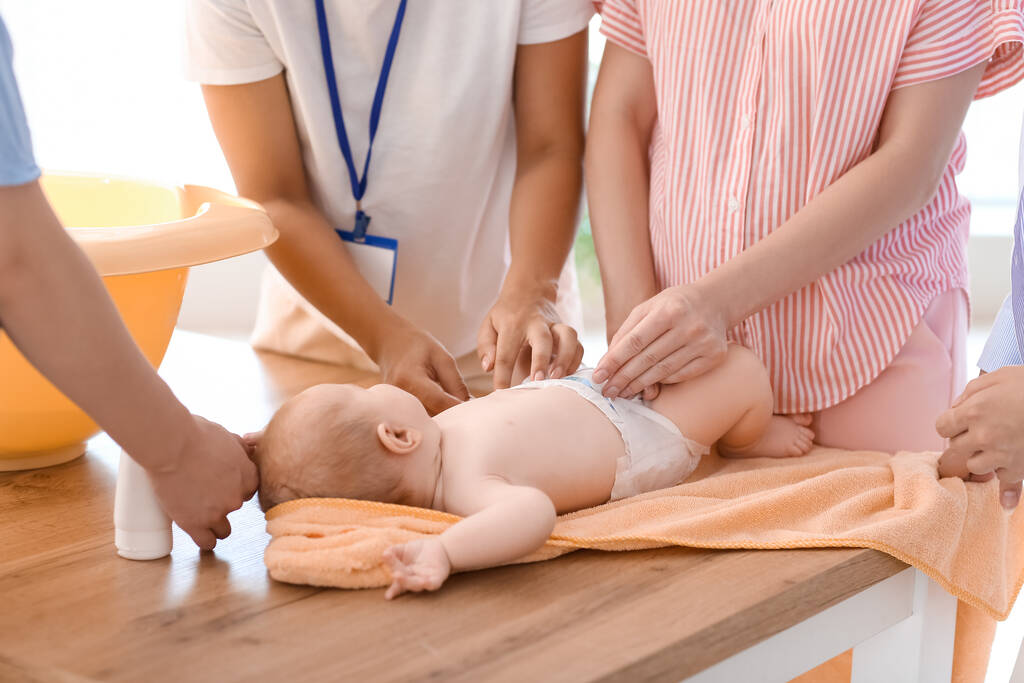
After a new appointment or unfamiliar experience, some babies may seem more tired, more alert, or slightly unsettled for a short time. This does not always mean something is wrong. Babies can react to new settings, handling, travel, or changes in routine.
Serious complications from gentle osteopathic techniques in babies appear to be very rare in published reports, but no hands-on care is completely risk-free. We therefore keep techniques gentle, adapt to your baby, and stop if they seem distressed or unwell.
Before any care begins, the osteopath should explain what they plan to do, what you might notice afterwards, and when to seek advice. If anything about your baby’s response after an appointment worries you, contact the clinic or speak to your GP, midwife, or health visitor.
The appointment should always be adapted to your baby. If your baby is distressed, unwell, or unable to tolerate the session, it should be paused or stopped.
When osteopathy is not appropriate
Osteopathy is not the right first step for every concern. Some symptoms need medical advice before any osteopathic appointment.
Seek urgent medical help if your baby has signs such as:
- Difficulty breathing or a sudden change in colour (blue, pale, or grey)
- High temperature or fever
- Unusual drowsiness or difficulty waking
- Constant, weak, or high-pitched crying
- Green vomit or blood in vomit/stool
- Fewer wet nappies than usual
- A rash that does not fade when pressed
- Signs of injury or seizure
Trust your instincts. If you are very worried about your baby, contact your GP, call NHS 111, visit an urgent treatment centre, or call 999 in a life-threatening emergency.
If you are unsure whether an osteopathic assessment is suitable, speak to your GP, midwife, or health visitor first. If there is any doubt about your baby’s health, a medical assessment should take priority over booking or continuing with osteopathic care.
How We Keep Babies Safe at Arc Osteopathy in Croydon
Our approach to safety and informed consent
At Arc Osteopathy in Croydon, we believe that an appointment should never be about pressure or promises. Our pediatric sessions are grounded in:
- Clear communication: Explaining what we are doing and why.
- Comfort-focused care: Allowing plenty of time for breaks, feeding, and settling.
- Collaboration: Working alongside your NHS support team. If we feel your baby requires a medical review, we will guide you to your GP or midwife immediately.
Next steps, if you would like to know more
You can read more about Osteopathy for Babies Croydon on our main local service page.
You can also learn more about our wider clinic and team here: Arc Osteopathy in Croydon.
A baby osteopathy appointment should never be about pressure or promises. It should be calm, careful, and honest, giving parents the information they need while keeping medical care as the first step for health concerns