
Back pain can make simple tasks feel much harder. Sitting at a desk, lifting shopping bags, sleeping, or getting out of a chair may become uncomfortable. Some episodes improve within a few weeks, while others remain or return.
Finding suitable care starts with understanding what may be causing the problem. The source of an ache is not always clear. It may follow an injury, develop through repeated strain, or relate to how different areas of the body work together.
Early guidance can help identify what may be contributing to your discomfort. It can also show whether self-care is appropriate or whether another healthcare service is needed.
What May Cause Spinal Discomfort?

The spine relies on joints, discs, muscles, ligaments, nerves and a healthy blood supply. These structures support the body while allowing it to bend, turn, and carry weight.
A sudden muscle strain is one possible cause. This may happen during sport, gardening, carrying a heavy item, or making an awkward movement. In other cases, soreness develops over time due to overuse or overloading, such as prolonged sitting, repetitive movements, reduced mobility, weak muscles, or a workstation that does not suit the person.
Other causes can include ligament sprains and a herniated disc (often referred to as a slipped disc). However, it is not always possible to identify one clear reason.
The NHS notes that many cases settle within a few weeks, though some last significantly longer or come back.
Medical conditions can also affect this part of the body, and can include inflammatory or degenerative conditions.
When Is It Time to Ask for Help?
Mild symptoms may settle with gentle exercise and adjustments to your usual routine. However, it is sensible to seek advice when the issue does not improve after several days, begins to limit normal activities, gets worse, or the signs and symptoms change.
You may also need support when:
- discomfort keeps returning;
- sleep is being affected;
- sitting or standing becomes difficult;
- stiffness limits your normal range of motion;
- pain spreads into a leg or arm.
- employment duties, exercise, or household jobs become harder.
Urgent medical attention is needed if there is numbness around the genitals or anus, changes in bladder or bowel control, weakness in both legs, chest pain, or symptoms after a serious accident. Sudden severe pain with fever or feeling unwell also requires prompt medical advice.
Why the Whole Body May Need to Be Checked
An ache or pain may be felt in one area, even when there is no damage to that area. Reduced hip mobility, tight leg muscles, or stiffness higher in the spine may affect other parts of the body and even alter how you stand and walk.
For this reason, osteopathy takes a whole-person approach. The clinician considers the painful area alongside posture, joint function, everyday habits, previous injuries, and general health.
Someone who spends most of the day at a computer may have different needs from a person whose job involves carrying loads. A runner may place different demands on the lower spine than an individual returning to exercise after a lengthy break.
Reviewing these factors often gives a clearer understanding of why the concern began and what may be causing it to continue.
What Happens at an Osteopathic Appointment?
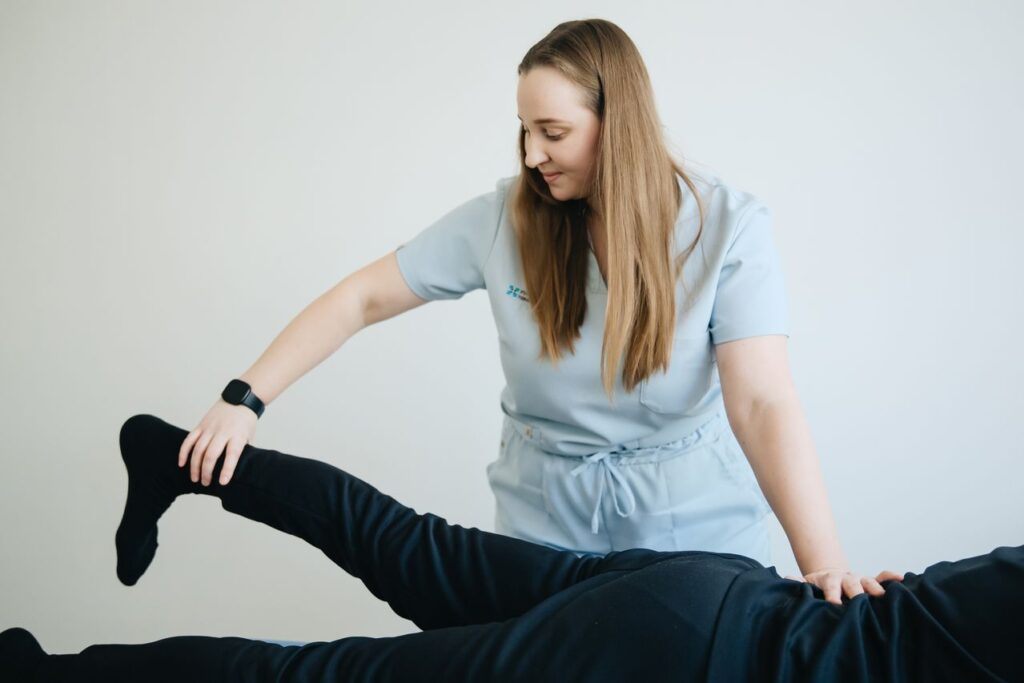
The first session usually begins with a discussion. You will be asked when the issue started, what makes it better or worse, and how it affects your routine.
Your medical history is also important. It can help the practitioner decide whether hands-on care is right or whether further assessment from a GP or another healthcare professional is required.
A physical examination may then look at:
- posture;
- joint mobility;
- muscle function;
- balance;
- how you bend or turn;
- actions linked to your symptoms.
You should receive an explanation of the findings before any care begins. The proposed approach, possible effects, and other options should be discussed so that you can make an informed choice.
Training and Professional Standards
Osteopaths are regulated healthcare professionals under UK law. They must have an osteopathic qualification, hold professional liability insurance, and be registered with the General Osteopathic Council before using the protected professional title.
Their education includes study of the musculoskeletal system, pathology, neurology, and testing of other body systems. They can independently assess, diagnose, and treat certain musculoskeletal conditions without a doctor’s referral. When treatment would be unsafe or fall outside their scope, they should direct the patient to a more appropriate service.
The GOsC maintains the UK register and sets standards for safe conduct and patient care. Most people can refer themselves directly rather than seeing a GP first.
How Hands-On Care May Be Used
The method selected depends on the individual, the findings, and what feels comfortable. Techniques may include gentle joint work, soft-tissue methods, stretching, or guided exercises.
The aim is not to force the spine into a set position. Treatment should respond to each patient and may focus on easing muscle tension, supporting joint function, or making common actions feel less restricted.
Recommendations may also cover workplace habits, lifting methods, sleep positions, and physical exercise. These points matter because a clinic session is only one part of managing a recurring complaint.
When considering an Osteopath in Croydon, the appointment should provide enough time to discuss your health and examine the wider factors linked to your condition.
Staying Active Without Doing Too Much
Extended bed rest or a complete lack of movement is rarely useful for an uncomplicated spinal ache and therefore is not normally recommended. The NHS advises people to remain active and continue their usual responsibilities where possible. Walking, swimming, yoga, or Pilates may suit some patients, though any exercise should stop if it makes the condition worse.
The right amount of movement varies between individuals. A short walk may be a good starting point for one person, while someone else may manage light strength exercises.
Increase the level slowly. Sharp pain, growing weakness, or new nerve-related signs should never be ignored.
Small Changes at Work and Home
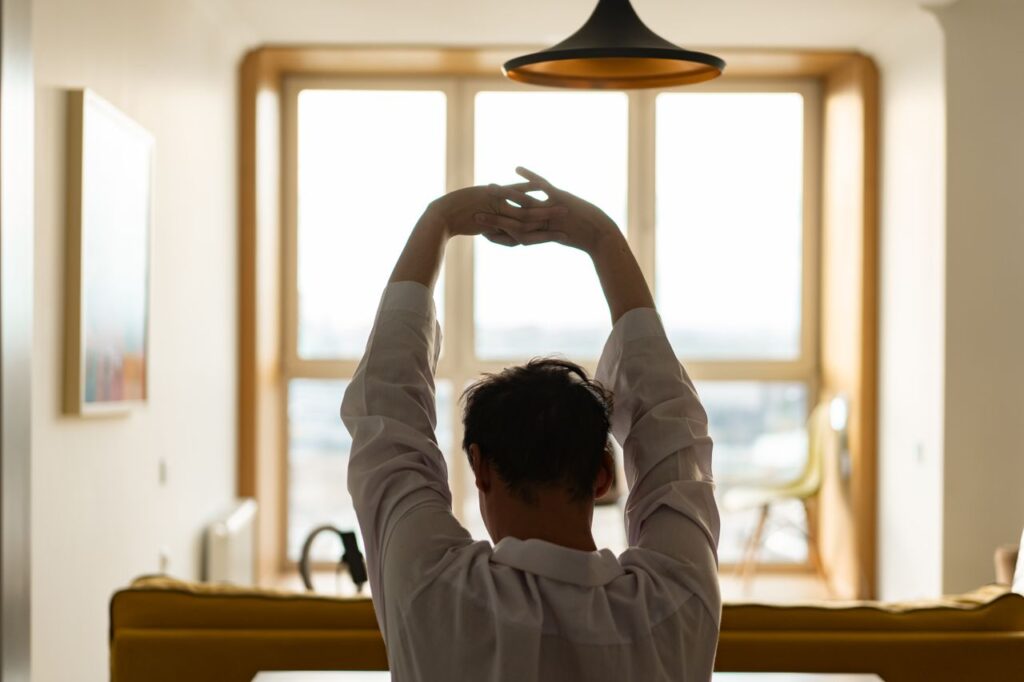
Everyday habits can place repeated pressure on the lower spine. A few practical adjustments may make professional and household duties more comfortable.
At a desk, position the screen near eye level and keep both feet supported. Shift your posture regularly rather than trying to hold one “perfect” position throughout the day.
When carrying an item, keep it close and bend through the hips and knees. Avoid turning while holding a heavy load. Ask for assistance when an object is awkward or beyond what you can safely manage.
During lengthy drives, take regular breaks where possible. Standing and walking for a few minutes can ease tightness that develops after remaining seated for an extended period.
Rest may also feel easier with a pillow and mattress that offer proper support. There is no single setup that suits everyone, so physical comfort and symptom response should guide your choice.
Why Early Attention Can Be Helpful
Many people wait until soreness becomes severe before seeking guidance. By that stage, they may already be avoiding exercise, altering how they walk, or struggling to rest at night. By then, compensatory patterns may develop, adding another layer of complexity to the treatment.
A timely assessment can identify habits that may be placing extra strain on the body. It can also provide reassurance when there are no signs of a serious condition.
Patients can often obtain an osteopathic appointment within 24 hours, which may be faster than waiting for some other services. The longer consultation we provide allows an opportunity for a full medical history, physical examination, and discussion of appropriate next steps.
Taking the Next Step
A spinal complaint can affect employment, rest, exercise, and confidence in common activities. It does not always require complex treatment, but persistent or recurring symptoms are worth checking.
Begin with safe movement, sensible adjustments to your routine, and close attention to warning signs. When the cause remains unclear or ordinary responsibilities are becoming difficult, a clinical assessment may provide useful answers.
Arc Osteopathy can review your concerns, assess how your body is functioning, and explain the options that may fit your needs. The aim is to support safer movement and discuss practical steps that may assist day-to-day function.