
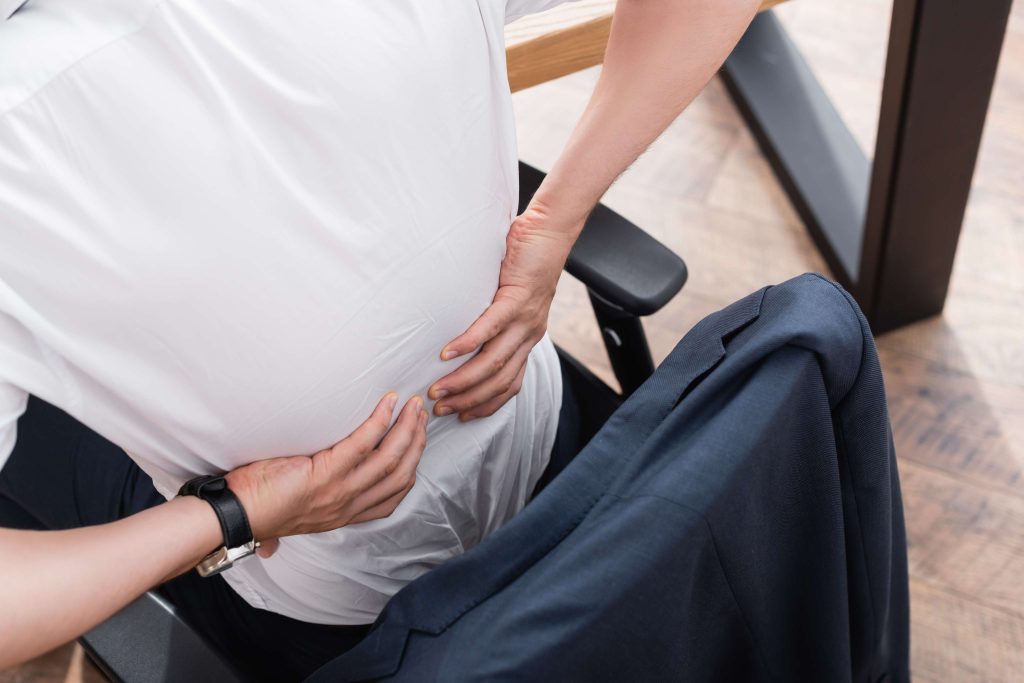
Back pain is a common reason people seek healthcare. It can affect daily activities, work, and sleep. Often, back pain is linked to muscles, joints, posture, or movement habits.
Osteopathy looks at the whole body. Instead of just treating the area that hurts, an osteopath checks how different parts of the body may affect the problem. This guide explains how osteopaths help with back pain, how safe treatment is, and what benefits patients can expect.
Understanding Common Causes of Back Pain
Back pain can appear suddenly, for example, after lifting something heavy. It can also develop slowly due to posture, lifestyle, or repetitive movements.
Common causes include:
- Muscle tension or strain – Muscles can tighten from activity or sudden movements. Tight muscles pull on the spine and surrounding tissues, causing discomfort.
- Poor posture – Slouching at a desk, hunching over a phone, or standing unevenly adds stress to muscles and joints. Over time, this can lead to stiffness.
- Repetitive movements at work – Bending, twisting, or lifting repeatedly can strain muscles and joints. This may cause soreness or long-term pain if not addressed.
- Lack of movement – Inactivity can weaken muscles that support the spine. Weak muscles may struggle to stabilise the back.
- Joint stiffness – Stiff joints restrict movement and cause discomfort. This is more common with age, but it can affect younger adults too.
- Joint Damage – repeated pressure on the spine, sudden unguarded movements, or a movement beyond what is normal for a joint, can irritate, bruise or damage part of the spine, including the intervertebral discs.
- Previous injuries – Old strains, sprains, or accidents may leave muscles or joints less flexible. This can lead to recurring back pain.
- Stress and fatigue – Tiredness and emotional stress increase muscle tension. Tight muscles limit movement and may worsen pain.
Each person’s back pain is different. An osteopath finds which factors are relevant and provides care that is safe and effective.
How Osteopaths Treat Back Pain
Osteopaths assess, diagnose, and treat musculoskeletal conditions, including back pain. They look at the whole body, not just the painful area.
Treatment begins with a detailed case history. The osteopath asks about your symptoms, lifestyle, work habits, exercise, and medical history. This helps them find what may be causing your pain.
Next is a physical examination. The osteopath checks posture, joint movement, muscle tension, and body alignment. They may watch how you bend, twist, or walk. This shows how your back works with the rest of your body.
A personalised treatment plan may include:
- Gentle joint mobilisation – moving joints to improve mobility and reduce stiffness.
- Soft tissue techniques – working on muscles, tendons, and ligaments to release tension.
- Muscle stretching – improving flexibility and balance.
- Advice on posture and movement – guidance to reduce strain in daily life.
The goal is to relieve pain, improve movement, and support the body’s natural function. Treatment addresses the causes, not just the symptoms.

The Safety of Osteopathic Treatments
Osteopathy is a regulated healthcare profession in the UK. Osteopaths must meet strict training and professional standards. They are registered with the General Osteopathic Council (GOC) and carry professional liability insurance.
Osteopaths know when treatment is suitable and when referral is needed. Before treatment, they review your medical history, current symptoms, and other health conditions. If osteopathy is not suitable, patients are referred to a GP, physiotherapist, or specialist.
Treatment is adapted to each person. Age, medical history, pain level, and comfort are considered. Many patients find osteopathic treatment gentle, reassuring, and effective.
Relieving Muscle Pain with Osteopathy
Muscle pain is common in back problems. Tight or overworked muscles can limit movement and cause discomfort. Other times, the muscles may go into a protective spasm to protect the back or because a nerve is irritated or damaged. This adds pressure on the spine and joints, as well as increasing pain and reducing movement.
Osteopathy often focuses on releasing muscle tension. Hands-on techniques like gentle massage, stretching, and soft tissue work help muscles relax and restore balance. Strong, flexible muscles support the spine better, reducing pain.
Osteopaths also give practical advice for daily life, such as:
- Simple stretches – easy exercises to relax muscles and improve flexibility.
- Movement habits – tips on bending, lifting, and standing safely.
- Workstation setup – adjusting chairs, desks, and screens to reduce strain.
These strategies improve muscle function, prevent stiffness, and reduce the chance of pain returning.
Enhancing Back Pain Relief through Osteopathic Methods
Back pain can be linked to problems in other areas, like the hips, legs, or neck. Tension in one area can affect the back.
Osteopaths assess the whole body. Treatments restore joint movement, improve muscle balance, and reduce spinal strain. This approach often gives longer-lasting relief.
Lifestyle advice is also part of care:
- Lifting techniques – safe ways to move and carry objects.
- Daily movement – simple exercises and posture tips.
- Rest and recovery – balancing activity with rest to allow muscles and joints to recover.
Small changes in posture, movement, and lifestyle, along with treatment, can improve comfort and mobility.

Benefits of Osteopathy for Back Pain
Osteopathy looks at the whole person, not just the painful area. Appointments are unhurried so the osteopath can understand your needs, lifestyle, and medical history.
Benefits may include:
- Improved mobility – easier movement in daily tasks.
- Reduced muscle tension – hands-on care and exercises relax tight muscles.
- Reduced Pain – allowing you to move more and return to what you enjoy doing.
- Better awareness of posture and movement – guidance on safe movement.
- Future guidance – having the opportunity to be stronger, fitter, healthier and be more flexible with targeted exercises
- Support with recurring back pain – care and advice to reduce flare-ups.
Osteopaths are first-contact practitioners. You can book an appointment without a GP referral.
If you are looking for an Osteopath in Croydon, a registered professional ensures care is safe, personalised, and meets UK standards.
When to Seek Advice
Most back pain is musculoskeletal. Some cases need further medical assessment. Osteopaths know the signs and will ensure you get the right care.
See advice if your back pain:
- Lasting for more than a few days and is not improving.
- Persists for longer or gets worse despite rest.
- Affects daily activities like walking, bending, or sitting.
- Follows an injury or fall.
- Comes with concerning symptoms like numbness, tingling, or unexplained weight loss.
Osteopaths can assess whether care is suitable. If needed, they will refer you to a GP or specialist to ensure safety.
Final Thoughts
Back pain can be frustrating and limiting. Osteopathy gives a safe, holistic approach to care. By focusing on posture, movement, and the whole body, osteopaths help improve comfort and function.
Early assessment can prevent pain from becoming chronic. It also supports a healthier, more active lifestyle.
A trusted Osteopath in Croydon can provide personalised treatment and guidance. They can help manage back pain and protect long-term spinal health.
For ongoing support, a registered UK osteopath can advise on exercises, posture, and lifestyle changes that are safe and suited to your needs.