
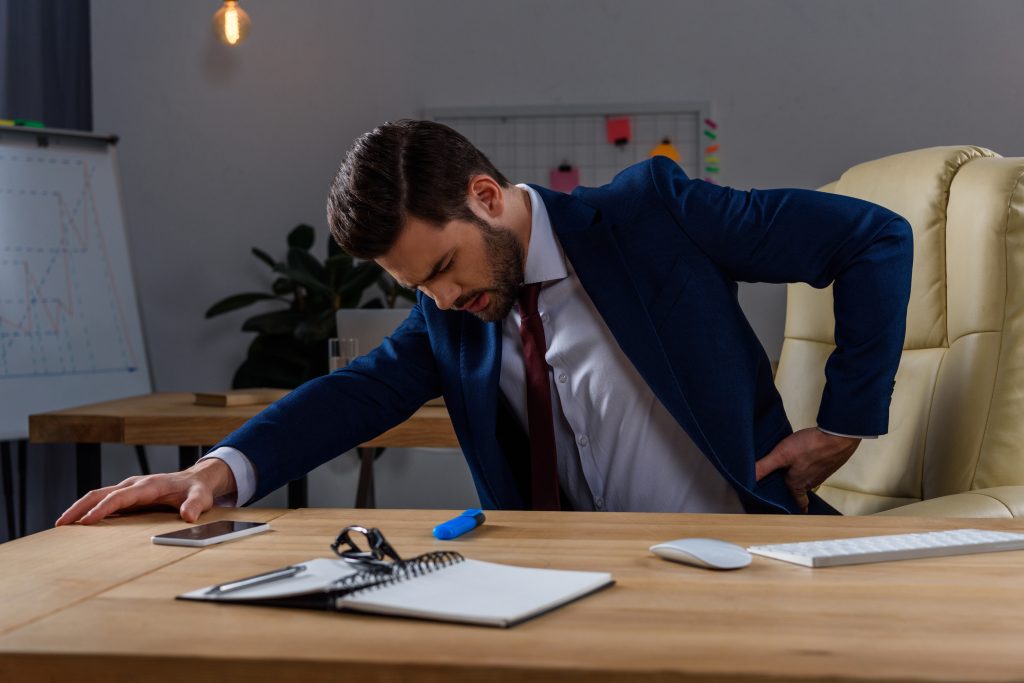
If you commute into London or sit at a desk all day, your lower back may feel tight by mid-afternoon. You stretch and book a massage therapy for lower back pain. It feels better for a few hours, but then the pain comes back. This cycle is frustrating, and it also tells us something important.
Massage therapy is more than just relaxation. When done correctly, by a suitably qualified professional, it can help the body recover from mechanical lower back pain. This is pain caused by posture, movement, or muscle tension rather than a serious condition.
According to NHS information, back pain is very common, and in most cases, it is not caused by a serious medical problem. It is often linked to everyday strains, posture, or movement patterns. For many people, no specific cause can be found, which is why it is called non‑specific back pain.
In this guide, we will explain how to use massage therapy in a clear, structured way. The aim is not just short-term comfort. The aim is better movement and longer-lasting relief, supported by proper assessment and follow-up care.
Decoding the Pain: Is It Muscular or Something Else?
Before trying any techniques, it’s important to understand what you’re actually feeling. A massage is not a catch-all cure; applying pressure to the wrong area could make the problem worse.
By learning to recognise the type of pain, you can choose the most effective approach and know when to seek professional help. Some symptoms respond well to massage therapy, while others need a clinician or osteopath’s assessment first.
Mechanical tension
This type of pain often feels like tight knots or stiff muscles that make movement difficult. It is usually caused by poor posture, long hours of sitting, or repetitive movements at work. This leads to muscle imbalance where some muscles are shortened, and others are lengthened and under tension. Remedial massage can be very helpful in these cases because it works to reduce muscle tension, lengthens shortened muscles and improves how the body moves, rather than just providing relaxation.
Referred tension
Tightness in the glutes or hamstrings can sometimes show up as pain in the lower back. The discomfort feels in that area, but the source may be elsewhere. In these cases, focusing only on the lower back may not help. Treating the hips or upper legs instead can often reduce strain on the lower back and improve movement
When You Should Seek an Osteopathic Assessment First
Some symptoms indicate a more serious issue that needs assessment by an osteopath or medical professional before attempting deep tissue massage:
- Shooting pain down the leg or into the foot
- Numbness or tingling in the leg, foot, or groin
- Weakness in the leg or difficulty lifting the foot
- Loss of control over your bowels or bladder (get medical help right away)
If you notice any of these, stop self-massage and get a professional assessment. These signs could indicate sciatica, a disc problem, or another structural issue that massage alone cannot safely treat.
Osteopaths are trained to assess these symptoms and decide whether massage is appropriate or if referral is needed.
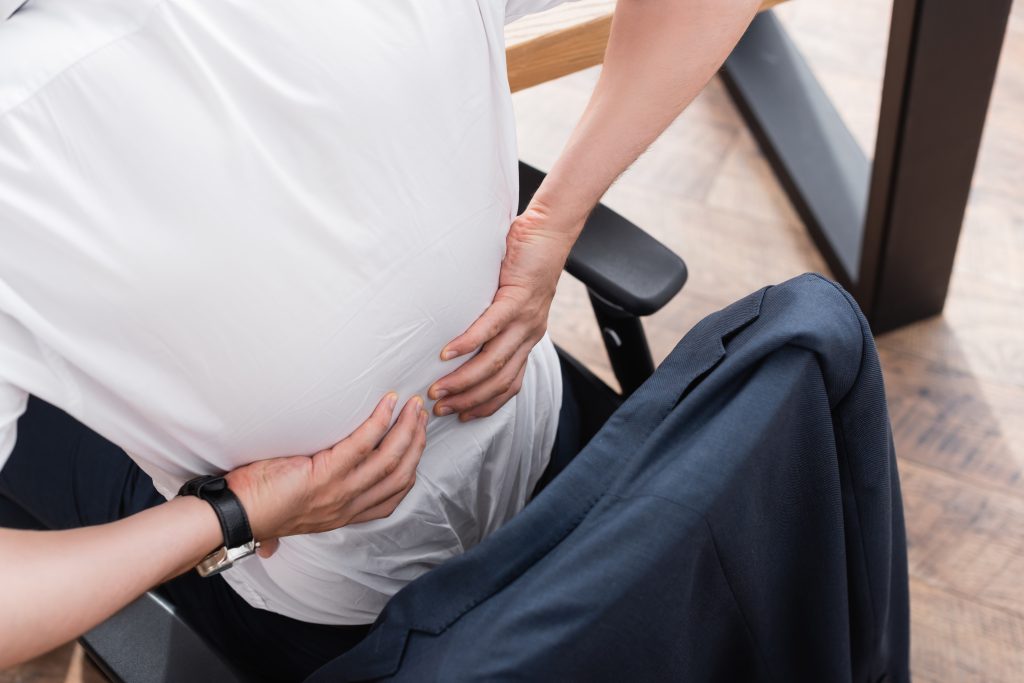
DIY Trigger Point Techniques for Short-Term Relief
If you want quick relief at home, targeted self-massage can help release tension and improve movement. However, it should be done gently and with control.
Tennis Ball Release for Glutes and Hips
Many people massage their lower back when the real culprit is tight glutes pulling on the pelvis. Targeting the glutes instead can relieve lower back tension more effectively.
Positioning: Lie on your back with your knees bent and feet flat on the floor.
Placement: Place a tennis or lacrosse ball under the gluteal muscles—avoid placing it directly under the spine.
Action: Slowly roll over the ball to locate tender spots. When you find a tight area, hold steady pressure for 30–60 seconds until the tension eases.
Why this works: Tight glutes can pull the pelvis downward, increasing strain on the lower back muscles. Releasing the glutes helps reduce this pull and eases lower back discomfort.
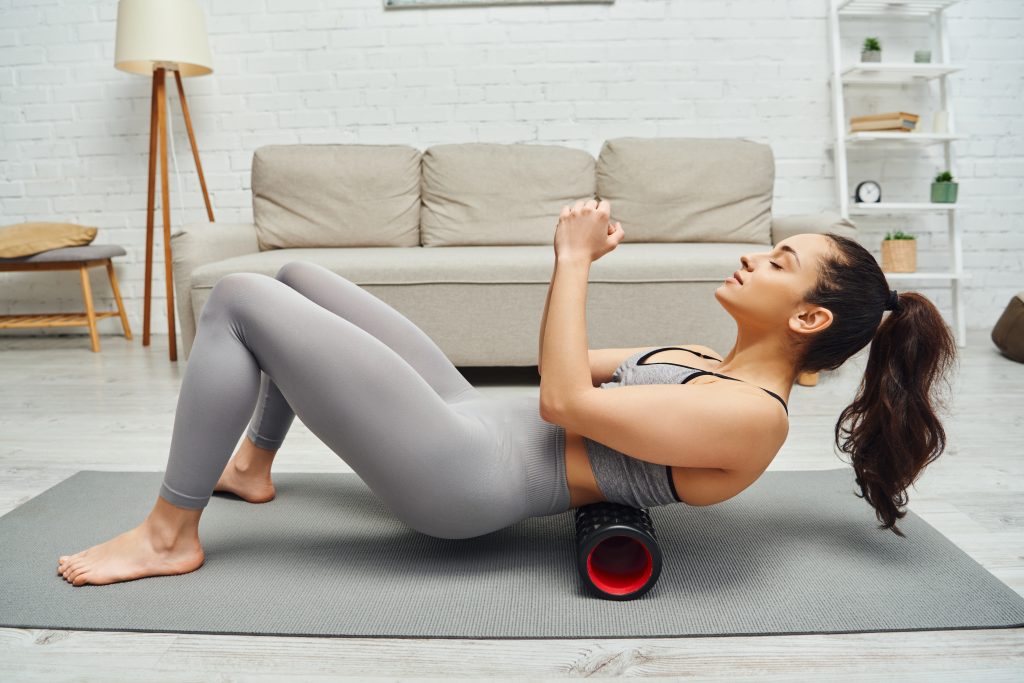
Foam Roller Extension for the Upper Back
Lower back pain often comes from a stiff upper back (thoracic spine), which forces the lumbar spine to overwork.
Setup: Place a foam roller perpendicular to your spine at shoulder blade level.
Execution: Support your head with your hands and gently extend backwards over the roller. Avoid rolling your lower back directly.
Frequency: Perform this for 2 minutes after long periods of sitting, such as after a day at your desk.
Why this works: Extending the thoracic spine helps relieve pressure on the lower back by improving posture and mobility in the upper spine, reducing strain on the lumbar muscles.
Stretching out your chest muscles
Upper back and shoulder aches and pains are often caused by finding ourselves in a hunched position.
Execution: Sitting in a chair, place the back of your hands behind your lower back, then use your muscles to pull the elbows back to feel a gentle stretch across your chest.
Avoid bending backwards when doing this.
Frequency: Perform this for 20-30 seconds several times a day
Why this works: Opening up the chest helps reduce tension in the shoulder muscles and allows you to sit in a more neutral position.
Choosing the Right Professional Support
If your previous spa massages only gave short-term relief, it’s not your fault; not all massages are the same. Relaxation massage feels good, but doesn’t address the root cause of lower back pain.
Professional therapy, such as remedial or active massage, is different. These approaches focus on repairing muscle and movement patterns, breaking down tension, and supporting recovery rather than just providing temporary comfort.
Sports and Remedial Massage
Sports and remedial massage is a practical therapy that helps realign muscles and release tension.
Methods like Soft Tissue Release (STR) and Muscle Energy Techniques (MET) are used to break down scar tissue, improve movement, and restore proper muscle function.
This type of massage suits both athletes recovering from strain and office workers or commuters who develop chronic lower back tension from poor posture or repetitive movements. By targeting the root muscular and movement issues, remedial massage provides longer-lasting relief instead of just short-term comfort.
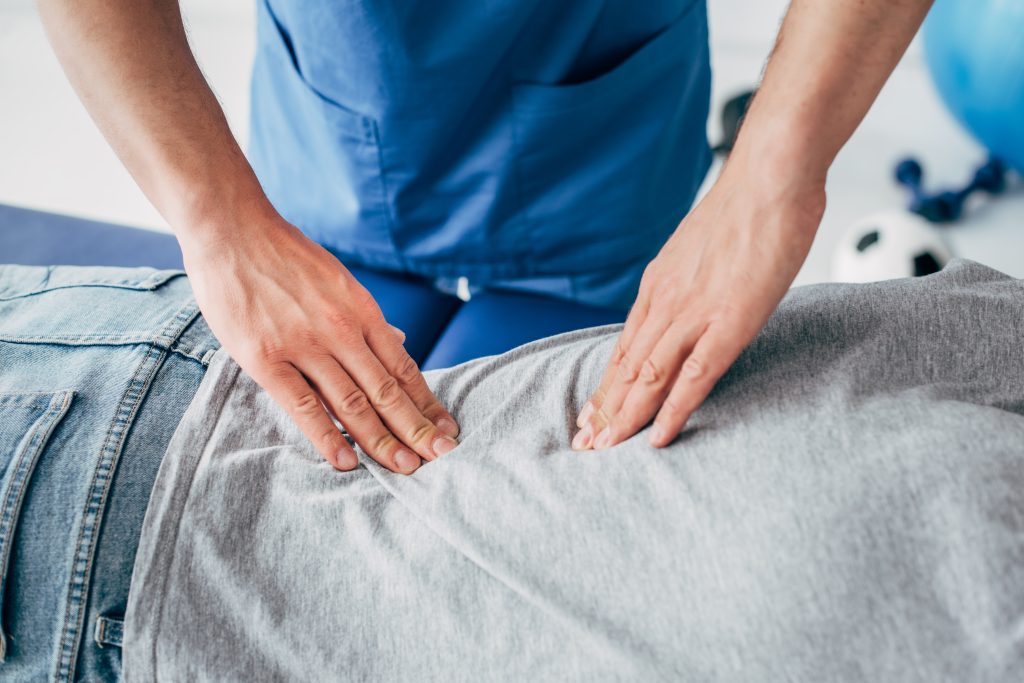
Osteopathic Care and Massage Together
Massage can help relax tight muscles, but it does not fix restrictions or dysfunction in the joints. This is where osteopathy is useful.
Osteopaths examine how the spine, pelvis, and joints move to find restrictions that may be causing or keeping lower back pain. When massage is combined with osteopathy, both the muscles and the joints are treated. This approach improves movement, eases tension, and provides longer-lasting relief.
Many people overlook this combination, but treating both muscle and joint function can make a real difference for those with chronic or recurring lower back pain.
Dry Needling (Where Appropriate)
Dry needling uses very fine needles that are inserted into specific points in the muscle. This helps release deep tension that fingers cannot reach on their own.
It is usually done alongside other treatments, such as remedial massage or exercises, rather than on its own. Studies show that adding dry needling to other treatments for chronic lower back pain can give extra short-term pain relief. The effects are usually small and work best when combined with active care.
Dry needling can be helpful for people with muscle tightness or trigger points that have not improved with massage or other manual treatments. It should not be seen as a standalone solution and works best when included in a wider recovery plan.
The ARC Approach: Active Rehabilitative Care
For those in Surrey and South London, ARC Osteopathy offers more than just a massage; it’s a hub for Active Rehabilitative Care. Every session is designed to address the root cause of lower back pain, not just the symptoms.
Assessment-First Philosophy
Each appointment begins with a full functional assessment. This helps practitioners understand how your body moves and ensures any massage or treatment targets the underlying issue rather than providing temporary relief.
The Multi-Disciplinary Advantage
ARC combines osteopathy, sports massage, and rehabilitation exercises in one clinic. If a massage therapist identifies a joint restriction, osteopaths on-site (or dual-trained practitioners) can step in to treat it immediately.
Convenience for Commuters
With locations in Carshalton Beeches and Croydon, the clinic is designed to fit busy London schedules, offering appointments six days a week for easy access.
For busy commuters, an Osteopath in Croydon offer practical access, with appointments available six days a week. You also get a structured, professional approach to managing lower back pain — something that a spa massage alone cannot provide.
Retraining the Muscles: The Step Many People Miss
Most guides stop at the massage, but that’s only part of the solution. Relaxing a tight muscle creates a “window of opportunity” to strengthen it. Without this step, tension can return, and pain may persist.
Activation Drills: Simple exercises performed immediately after self-massage or a professional session help lock in the benefits.
- The Dead Bug: Lie on your back with arms and legs raised. Slowly lower the opposite arm and leg while keeping your core engaged. This improves core stability and protects the lower back.
- The Glute Bridge: Lie on your back with knees bent, feet flat. Squeeze your glutes at the top as you raise your hips towards the ceiling. This wakes up the glutes to support the spine and maintain proper movement.
Supporting at Home: ARC Osteopathy provides patients with a library of exercise videos, ensuring you know exactly how to perform these drills at home. This extends the value of your in-clinic session and helps maintain long-term improvements.
From Relief to Prevention
The lasting relief begins with identifying the pain, then releasing the tension through either DIY techniques or professional therapy. The final step is retraining the movement to stop the pain from coming back. Massage is useful, but it works best as part of a regular maintenance and recovery plan, not just as a quick fix when your back “goes.”
Lasting change comes from a clear process:
- Understand the source of pain
- Reduce unnecessary tension
- Improve movement and strength
- Maintain progress with the proper support
Massage therapy for lower back pain works best as part of a larger treatment plan.
If your back pain keeps returning, guessing is rarely the answer. A health assessment can help you understand what your body needs.
Ready to deal with the root cause of your back pain?
Book a consultation with an Osteopath in Croydon and start building a recovery plan that fits your body and your routine.