
The most common reasons people seek care for are musculoskeletal pain. It can affect the muscles, joints, bones, and connective tissues. This type of pain may start suddenly or build up over time. For some, it is mild. For others, it can interfere with daily life.
Understanding musculoskeletal pain helps people recognise early signs and take action. With the proper care and support, pain can often be managed. In many cases, movement and comfort can improve.
Understanding Musculoskeletal Pain
Musculoskeletal pain refers to pain in the body’s movement system. This includes muscles, joints, tendons, ligaments, and bones. It often affects areas like the back, neck, shoulders, hips, and knees.
This type of pain can feel different for each person. Some may notice a dull ache. Others may feel stiffness, soreness, or sharp pain with movement. Pain can stay in one area or spread to nearby parts of the body.
Daily activities can cause musculoskeletal pain. Common triggers include bad posture, prolonged sitting, and repetitive movements. Injuries, stress, and ageing can also play a role. Over time, these factors can strain the body and lead to discomfort.
Early awareness is important. When pain is ignored, it may last longer or become more complicated to manage. Understanding musculoskeletal pain helps individuals make informed decisions about their care and treatment.
Types of Musculoskeletal Pain
Musculoskeletal pain can show up in different ways. Understanding the type of pain helps with treatment and management.
Acute vs. Chronic Pain
Acute pain lasts for a short time. It usually occurs after an injury, such as a sprain or strain. Acute pain often improves with rest or simple treatment, such as Osteopathy, which can enhance recovery and help prevent the injury from recurring.
It is possible for chronic pain to last for weeks, months, or even years. It may persist even after the injury has healed. Chronic pain can affect daily life and sleep.
Localised vs. Widespread Pain
Localised pain is limited to a specific area, such as the lower back or shoulder. It usually has a clear cause, such as muscle strain or overuse.
Widespread pain affects several areas of the body. Conditions like fibromyalgia or certain autoimmune disorders can cause this type of pain.
Tip: Knowing the type of musculoskeletal pain can guide how you manage it. Early attention can prevent pain from becoming chronic.
Duration of Musculoskeletal Pain
Musculoskeletal pain can last for different lengths of time. Understanding its duration can help you know when to seek help.
Short-term pain
Short-term musculoskeletal pain usually lasts a few days to a few weeks. It often occurs after a minor injury, such as a sprain, strain, or overuse of muscles. A mild injury usually improves with rest, gentle movement, or simple home treatments such as ice or heat. Anything more severe than this benefits from treatment.
Long-lasting or recurring pain
Some musculoskeletal pain can last for months or even years. This is called chronic pain. Chronic pain may result from conditions such as arthritis, poor posture, or prolonged stress on specific muscles. It can also flare up again after it seems to improve. Managing long-lasting pain may require professional care, including physiotherapy or osteopathy.
Common Causes of Musculoskeletal Pain
Musculoskeletal pain can arise from many different factors:
- Poor posture and repetitive strain
Long-term poor posture when sitting or standing can strain joints and muscles. Over time, repetitive movements like typing or lifting might also cause pain. - Injuries and overuse
Accidents, falls, or sudden injuries can damage muscles, ligaments, or tendons. Overusing muscles during sports or work tasks can also cause strains, sprains, or inflammation. - Stress and muscle tension
Not only does stress impact the mind, but it can also stiffen muscles. Muscle tension is often the source of neck, shoulder, and back pain. - Age-related changes
Joints may stiffen, feel tighter, and ache and muscles naturally lose strength as we age. Conditions such as arthritis or osteoporosis make musculoskeletal pain more common in older adults. - Other factors (optional addition for completeness)
Poor nutrition, lack of exercise, or obesity can increase the risk of musculoskeletal pain. Certain medical conditions, such as autoimmune disorders, may also contribute to this condition.

Common Symptoms to Watch For
Musculoskeletal pain can show up in different ways. Here are the most common symptoms to watch for:
- Stiffness and Limited Movement
You may notice difficulty moving joints or muscles. Simple tasks such as bending, stretching, or lifting can feel harder than usual. Stiffness often gets worse after resting or sleeping. - Aching or Sharp Pain
Pain can take many forms, ranging from a slight discomfort to a strong, stabbing feeling. It may appear suddenly after an injury or gradually over time. Pain can affect your daily life and reduce your ability to perform normal activities. - Swelling or Tenderness
Inflamed muscles or joints may look swollen or feel tender to the touch. Overuse, injuries, or diseases like arthritis can cause this. Swelling is a sign that your body is reacting to damage or stress in the musculoskeletal system.
Who Is Most at Risk?
Musculoskeletal pain can affect anyone, but some people are more likely to experience it. Understanding who is at risk can help prevent problems before they start.
Office Workers
People who work long hours at a desk or computer are prone to musculoskeletal pain. Poor posture, repetitive typing, and prolonged sitting can strain the neck, back, and shoulders.
Athletes and physically active people
Athletes push their bodies to the limit, which can lead to muscle, joint, and tendon injuries. Overuse, sudden movements, or not warming up properly increase the risk of pain.
Older Adults
As we age, muscles and joints naturally weaken. Bones can become less dense, and the risk of conditions like arthritis rises. Older adults may experience more frequent or longer-lasting musculoskeletal pain.
People with Sedentary Lifestyles
Not moving enough can weaken muscles and reduce flexibility. Weak muscles cannot support joints well, which can lead to aches, stiffness, and pain over time.
Other Risk Factors
- Poor posture in daily life
- Carrying heavy loads incorrectly
- Previous injuries that did not fully heal
- Obesity, which puts extra stress on muscles and joints
Diagnosing Musculoskeletal Pain
Understanding the cause of musculoskeletal pain is key to finding the proper treatment. Physical examinations, movement tests, and occasionally imaging are typically involved in diagnosis. Here’s how it works:
Physical Examination
The affected area will first be examined by a healthcare provider. They look for signs of swelling, tenderness, or changes in skin colour. They may also press on muscles or joints to see what causes pain. This step helps rule out injuries or conditions that need urgent care.
Movement and Posture Assessment
Next, your posture and movement are checked. The provider may ask you to bend, stretch, or lift your arms and legs. This shows how muscles, joints, and bones work together. Poor posture, weak muscles, or restricted movement can all contribute to musculoskeletal pain.
Imaging or Referral When Needed
Sometimes, physical checks are not enough. X-rays, MRIs, ultrasounds and CT scans are imaging tests that might be recommended. These help identify problems in bones, joints, or soft tissues. In some cases, referral to a specialist like a rheumatologist or orthopaedic surgeon is necessary.
Effective treatment starts with a correct diagnosis. Once the cause is clear, a personalised plan can help reduce pain and restore movement.

How Osteopathy Can Help Treat Musculoskeletal Pain
Osteopathy is a hands-on approach to treating musculoskeletal pain. Osteopaths in Croydon use gentle techniques to improve the body’s movement and overall function. This can help reduce stiffness, pain, and discomfort in muscles, joints, and bones.
Professional Consultation and Examination.
Osteopaths are highly trained to ask the right questions, listen to your story and find out your goals and expectations. They will undertake a thorough examination appropriate to the patient, which can include Osteopathic and Orthopaedic testing, Neurological and muscle testing to ensure that the cause is being treated and not just the symptoms.
Hands-On Treatment
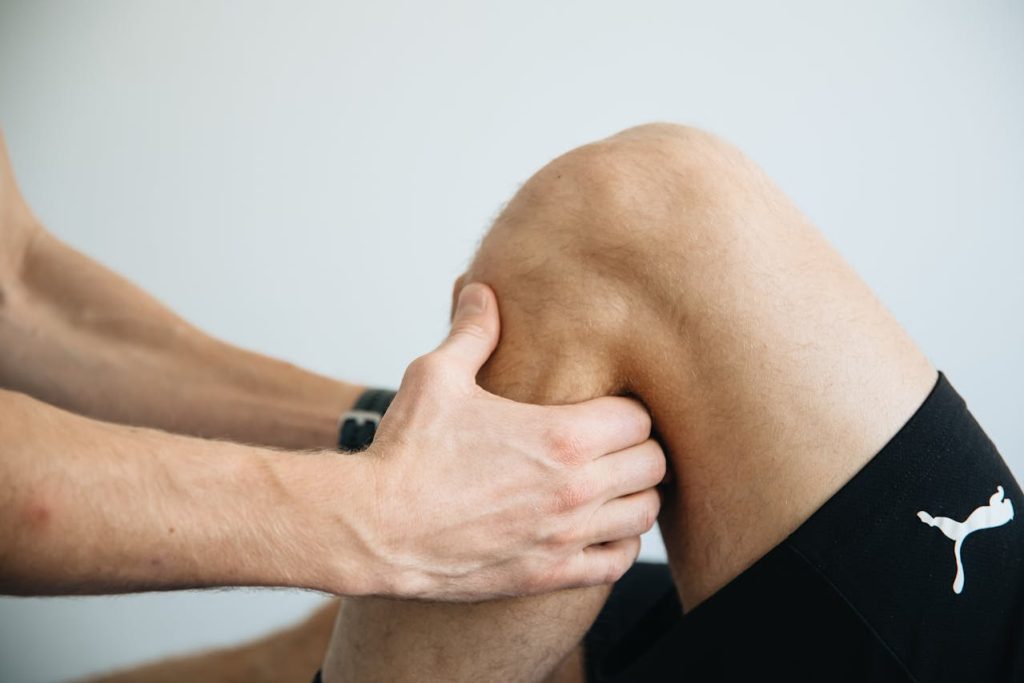
Having identified what is going on, they may aim to relax tight muscles, reduce swelling and improve joint function by applying targeted pressure, stretching, and movement.
Improving Mobility and Alignment
Musculoskeletal pain often comes from poor alignment or restricted movement. Osteopathy focuses on restoring natural alignment and increasing mobility. This can help reduce strain on joints and muscles, making daily movements easier and less painful.
Reducing Muscle Tension
Muscle tension is a common cause of discomfort and stiffness. Osteopathic techniques help relax tight muscles, which can relieve pain and improve circulation. Over time, this can prevent further strain and reduce the risk of injury.
Self-Care and Lifestyle Tips for Pain Management
Managing musculoskeletal pain often starts with self-care and small lifestyle changes. These steps can help improve daily function and reduce discomfort.
Gentle Movement and Stretching
Staying active is normally key. Gentle exercises, like walking, swimming, or yoga, can improve blood flow and reduce stiffness. Stretching daily helps maintain flexibility and prevents muscles from tightening. Start slowly and listen to your body—never push through sharp pain.
Ergonomic Adjustments
Your daily posture matters. Adjust your workspace so your chair supports your lower back, and your computer screen is at eye level. Small changes can help reduce strain on your muscles and joints, such as using a supportive cushion or keeping your feet flat on the floor.
Stress Management
Stress can make pain worse. Techniques like deep breathing, meditation, or mindfulness help calm your mind and relax tense muscles. Even short breaks during the day to stretch or breathe deeply can make a difference.
When to Seek Professional Help
Musculoskeletal pain is common, but there are times when it’s important to see a professional. Ignoring severe symptoms can make the problem worse. Here are some signs that it’s time to seek help:
Pain that does not improve
If pain lasts longer than a few days or does not get better with rest, home care, or over-the-counter medication, it may be a sign of an underlying issue that needs professional evaluation.
Pain affecting daily activities
When pain stops you from doing normal tasks like walking, lifting, or even sitting comfortably, it’s important to get checked. This type of pain can interfere with work and hobbies, as well as sleep and other daily activities.
Recurrent or worsening symptoms
Pain that keeps coming back or gets stronger over time should not be ignored. Recurring symptoms may indicate an ongoing issue that requires treatment to prevent long-term complications.
Other warning signs
Seek immediate medical attention if pain is worse when sleeping, you have a fever, altered bowel or bladder function or unexpected weight gain or loss. These symptoms might point to a more serious condition that needs to be treated right away.
For expert evaluation and treatment, consider consulting an Osteopath in Croydon, who can help identify the cause and guide you towards effective relief.

Preventing Musculoskeletal Pain
Musculoskeletal pain can affect your muscles, joints, and bones. The good news is that many types of pain can be prevented with simple habits. Focusing on posture, movement, and early care can keep your body strong and flexible.
Good Posture Habits
Maintaining good posture reduces stress on your muscles and joints. Always keep a straight back and relaxed shoulders, whether you’re sitting at a desk, standing or lifting something. Avoid slouching or hunching forward for long periods. Minor adjustments like using an ergonomic chair or keeping screens at eye level can make a big difference over time.
Regular Physical Activity
Exercise strengthens muscles and supports joints, lowering the risk of pain. Activities like walking, swimming, yoga, and stretching improve flexibility and blood flow. Aim for at least 30 minutes of movement most days. Even short breaks for stretching during work or study can help prevent stiffness.
Start slowly, Lighter or more gently
If you are starting a new activity – whether exercise, DIY or something with friends or family – start slowly and gradually build intensity, duration and strength and stretching. Doing too much too soon is a common cause of injury. Ensure that you have adequate rest between activities.
Early Care and Body Awareness
Listening to your body is key. Don’t ignore small aches or stiffness—they can develop into bigger problems if left untreated. Apply ice or heat, rest sore muscles, and consider gentle massages. Learning proper lifting techniques and avoiding repetitive strain can also protect your body. Early care and awareness help you stay active and prevent long-term issues.
Conclusion: Managing Musculoskeletal Pain Effectively
Musculoskeletal pain can affect anyone at any age. It may result from an injury, poor posture, or everyday stress on your muscles and joints. While some pain goes away on its own, day-to-day activities can be interfered with by chronic pain and negatively affect your general health.
Managing musculoskeletal pain starts with understanding the root cause. Treatments like osteopathy in Croydon, proper exercise, posture correction, and lifestyle changes can help reduce pain and improve mobility. Early attention and consistent care are key.
Listening to your body, seeking professional advice, and staying active are all essential for maintaining the health of your muscles and joints. By taking these steps, you can stay stronger, more flexible, and live with less pain.