
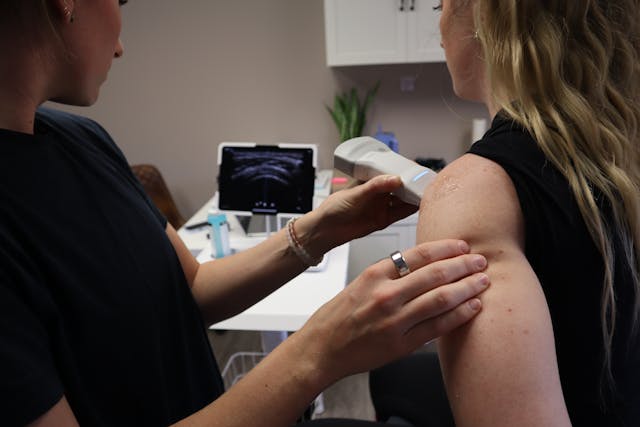
Musculoskeletal disorders, often called MSDs, affect the muscles, joints, nerves, ligaments, and bones. They can happen when the body is placed under repeated strain, poor posture, heavy lifting, or long periods of sitting.
These problems can build slowly. A stiff neck, sore back, or aching shoulder may seem minor at first. Over time, these signs can affect work, sleep, mobility, and daily comfort.
Many MSDs can be prevented or managed early with better habits, safer movement, and professional support when needed.
Workplace Tips for Prevention
For many people, work is one of the main places where strain starts. This can happen in offices, shops, clinics, warehouses, building sites, and home workspaces.
If you sit at a desk, keep your screen at eye level. Looking down for long periods can place extra strain on your neck and shoulders. Your feet should rest flat on the floor, and your knees, hips, and elbows should sit at around 90 degrees.
Your best posture is often your next posture. Try to stand, stretch, or walk for a few minutes every 30 minutes. Short movement breaks can ease stiffness and help your muscles reset.
You can also try a simple seated stretch. Sit near the edge of your chair, turn your palms outward, draw your shoulders back, and gently tuck your chin. Hold for 20 to 30 seconds while breathing slowly.
Simple Steps to Prevent MSDs
MSD prevention does not need to be complex. Small daily habits can make a real difference.
When lifting, bend your knees and hips rather than your back. Keep the item close to your body and avoid twisting while carrying it. If something is too heavy, ask for help or use equipment where possible.
Supportive shoes can also help. Your feet affect how your knees, hips, and back move. Poor footwear may place extra pressure on other areas of the body.
Hydration matters too. Muscles and joints need enough fluid to work well. Drinking water throughout the day can support healthy tissues and lower the risk of stiffness.
Essential Strategies for Prevention
One of the best ways to prevent MSDs is to notice early warning signs. These may include tightness, dull aches, reduced mobility, or discomfort after certain tasks.
Try not to ignore pain that keeps returning. A small ache may be your body’s way of asking for a change in posture, activity, or workload. Acting early may stop symptoms from becoming harder to manage.
It also helps to avoid doing the same task for too long, especially when you are not used to it. If your work involves typing, lifting, reaching, or standing, vary your position when you can. Even short changes in activity can limit repeated strain.
Proactive Measures to Avoid MSDs
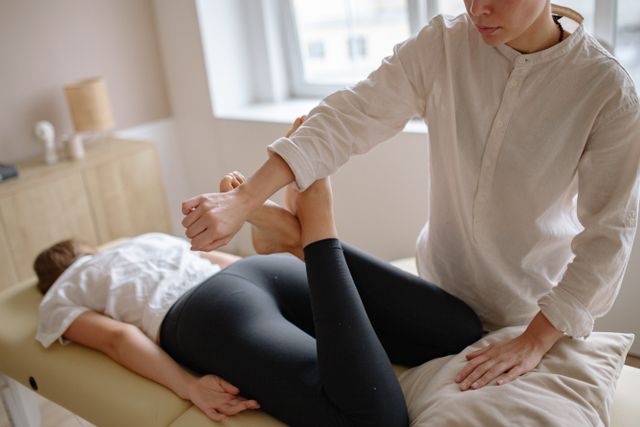
Osteopathy takes a holistic approach. This means an osteopath looks at the whole person, rather than only the painful area.
For example, shoulder pain may be linked to stiffness in the upper back, neck, or hips. An osteopath can assess how different areas of the body are working together and identify what may be adding stress.
Regular check-ups may also help find stiffness or mobility issues before they become more painful. If you are based nearby, seeing an Osteopath in Croydon may be a useful first step if pain, posture, or body function is starting to affect your day.
Effective Prevention Techniques
Strength training can help protect your joints. Strong muscles support the body and make everyday tasks easier. This does not always mean heavy gym work. Simple bodyweight exercises, light resistance work, or guided strengthening can help.
Mobility exercises are also useful. Gentle shoulder circles, hip movements, ankle rolls, and back stretches can help keep the body flexible.
Stretching is helpful, but active stretching is often better than holding one position for too long. Gentle movement can support flexibility without forcing the body.
Sleep posture can also affect muscle and joint health. A supportive pillow and mattress can help reduce pressure on the neck, back, and hips.
Key Tips for MSD Prevention
Here are some simple ways to lower your risk of MSDs:
- Change position often during the day.
- Set your monitor at a comfortable height.
- Use your legs when lifting.
- Hold loads close when carrying them.
- Wear supportive shoes.
- Drink enough water.
- Add simple strength and mobility exercises to your week.
- Seek advice if pain keeps returning.
Small habits can protect your body over time. The aim is not to have a perfect posture all day. The aim is regular activity, better support, and early action when something feels wrong.
A Guide to Preventing Musculoskeletal Disorders
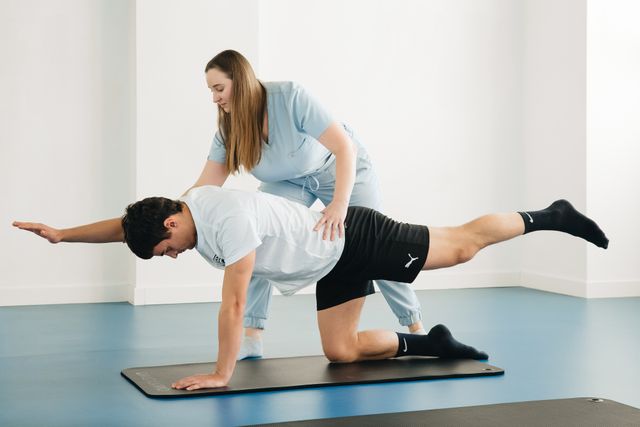
Osteopaths are regulated healthcare professionals under UK law. Only people with an osteopathic qualification, professional liability insurance, and registration with the General Osteopathic Council can call themselves (or imply they are) osteopaths.
Osteopaths complete four years of full-time training. Their study includes different body systems, including the musculoskeletal and nervous systems, clinical and orthopaedic testing, and pathologies, on top of a wide and varied range of treatment techniques.
They are also first-contact providers. This means you can book directly without needing a GP referral (although they are allowed and do refer to Osteopaths). Osteopaths can assess, diagnose, and treat certain musculoskeletal complaints.
They are recognised as Allied Healthcare Practitioners, alongside healthcare providers such as physiotherapists.
An osteopathy appointment is more than hands-on treatment. It includes a careful review of your symptoms, body function, and general health. If your symptoms need care outside osteopathy, your osteopath can refer you to a GP or another healthcare professional.
Preventing MSDs: What You Need to Know
Preventing MSDs is about acting early. Stiffness, soreness, and repeated aches are worth taking seriously, especially when they affect work, sleep, or daily activity.
Many people wait until pain becomes severe before asking for help. Early advice may lower the chance of symptoms affecting your routine. It may also help explain what changes you can make at work, at home, and during exercise.
Patients can often be seen by an osteopath within 24 hours, which may be quicker than waiting for a GP or NHS appointment. This can make osteopathy a good value for the time, assessment, and support received.
If you want to lower your risk of musculoskeletal problems, start with simple changes. Move often, lift safely, strengthen your body, and pay attention to early signs of strain.
If aches, stiffness, or posture problems are beginning to affect your routine, book an assessment with Arc Osteopathy. A qualified osteopath can help identify what may be causing the problem and support better comfort, mobility, and day-to-day function.